
“The work of therapy is helping people remember who they are.”
— Richard Schwartz
Coming Home
Integrating IFS, Somatic Interventions and Experiential Techniques in Therapy
a retreat for mental health professionals
General Details

Date: Thursday 3/19/25 - Sunday 3/22/25
Location: The Barn @ Rock N’ Refuge Retreat, McEwen, TN
CEs hours available: 15 CE hours - Including 2 hours of ethics! (NBCC ACEP No. 7477)
These hours will include lecture, group discussions, experiential segments, practicing and applying skills, etc.
Cost: $1500 for private rooms, $1250 or $1175 shared spaces
Cost includes: CEs, lodging, food & drink, & supplies. Flexible payment options are available.
**As of 2/16 we have 3 loft spaces left**
Presenters: Katie Casey, LPC-MHSP-S, Holli Ellis, LPC-MHSP, and Rebecca Wilson, LPC-MHSP

Additional Information
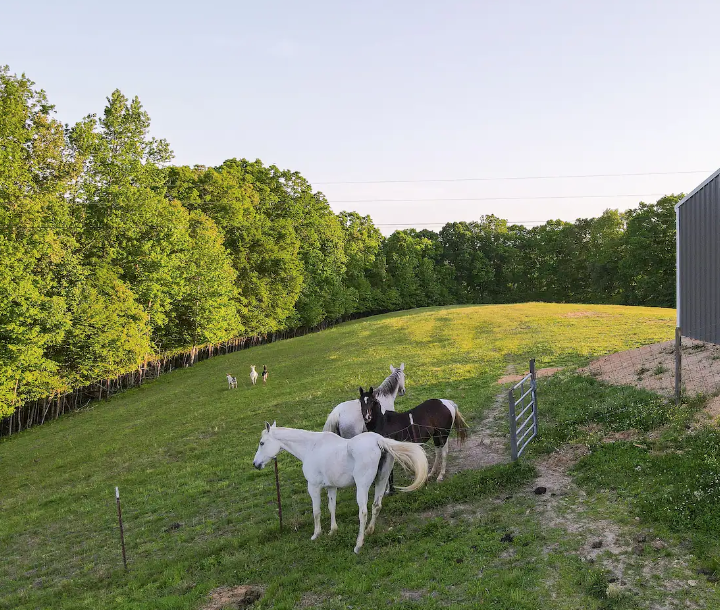
Location & Lodging: The retreat will be located at The Barn @ Rock N’ Refuge Retreat in McEwen, TN. This barn is perfectly set up with retreats in mind — having a large dining table, multiple gathering spaces, sleeps 10+, and is on acres of land perfect for exploring! You can see pictures of the hiking trails, garden, horse stalls, pond, and more in the gallery below.
Cost: Cost is determined based on your preference for a shared or private bedroom. Here are the room options:
3 private bedrooms: 1 king and 2 queen beds
1 shared room, with a bunk bed (double size)
2 separate loft spaces: 1 with 2 beds & 1 with 4 beds
Flexible payment options are available. Contact to learn more!
If you are signing up with someone else and would like to share a private room or shared space together, please contact me
**As of 2/16 we have 3 loft spaces left**
Meals & Snacks: Registration cost covers all meals, snacks, & drinks for the weekend. Upon registration you will be emailed a short survey which will include questions around food allergies & diet needs.
CEs Hours: 15 CE hrs, with 2 hours of ethics included! Abundant Hope Therapy has been approved by NBCC as an Approved Continuing Education Provider, ACEP No. 7477. Programs that do not qualify for NBCC credit are clearly identified. Abundant Hope Therapy is solely responsible for all aspects of the programs.
Please see the schedule below to see the parts of the schedule that do and do not qualify for NBCC credit.
Learning Objectives:
Identify the core principles and structure of Internal Family Systems (IFS), including the roles of parts, the Self, and the organization of the internal system.
Explain theoretical overlaps and distinctions among IFS, experiential, and somatic modalities.
Demonstrate how to guide clients in identifying and differentiating parts through somatic awareness and experiential tracking.
Practice integrating somatic interventions to support parts work and nervous system regulation.
Apply experiential techniques to externalize and deepen engagement with parts.
Utilize body cues, posture, energy, and other sensations to inform attunement to protectors, exiles, and Self energy.
Increase self-awareness and embodiment during emotionally or somatically intense sessions.
Reflect on countertransference and therapist parts that may emerge during experiential or somatic interventions.
Describe how energy, emotion, and somatic experience interrelate within the body’s stress and attachment systems.
Discuss ethical considerations and scope-of-practice boundaries related to integrating IFS, somatic, experiential, and mindfulness-based interventions in sessions.
Evaluate how cultural, neurodivergent, and identity-related factors influence how clients experience and express parts and body-based awareness.
Apply principles from the Window of Tolerance framework to assess and intervene when parts activation corresponds with hyperarousal, hypoarousal, or tolerance patterns.
Utilize mindfulness to help foster compassionate witnessing of self and client in session
Design an integrative treatment plan combining IFS, experiential, somatic, and mindfulness approaches.
About the presenters:
Katie has been in the field for over 10 years. Through various experiences within inpatient, short and long-term residential settings, rehabs, and outpatient settings, Katie has honed her specialties to working with those with PTSD, chronic pain/illness, and other helping professionals. She has extensive expertise in EMDR, mindfulness skills, DBT skills, and other somatic-based interventions. Katie is passionate about helping both clients and professionals connect the body and brain to foster healing.
Holli has lived and worked in the Nashville, TN, area for 10 years. She holds a Master's degree in Counseling and Human Development earned her LPC-MHSP licensure in December 2015. Through Befriending Our Bodies, Holli is committed to helping all individuals ease their nervous systems. Holli is mindful of the oppression faced by BIPOC, LGBTQ+, and people in larger bodies and works to dismantle these barriers. In addition to individual therapy, Holli incorporates yoga, Reiki, and bodywork into her practice.
Rebecca has over 13 years of experience in the mental health field and has worked across a variety of clinical settings. She specializes in complex trauma and PTSD, addiction, eating disorders, and personality disorders. Rebecca has received extensive training in EMDR, Somatic Experiential (SomEx) Therapy, Internal Family Systems (IFS), Brainspotting, Psychodrama, and other experiential modalities. She is deeply passionate about integrating a range of therapeutic approaches to support healing from a holistic mind, body, and spirit perspective, tailoring her work to meet the unique needs of each individual client.
Specifics including address, directions, arrival times, and other important information will be sent out after registration.




Thursday
General Schedule
Arrive & check in
Welcome group exercise
Welcome dinner and Introduction to the weekend*
Led by Katie Casey, LPC-MHSP-S & Holli Ellis, LPC-MHSP, & Rebecca Wilson
Learning Objectives:
Identify the core principles and structure of Internal Family Systems (IFS), including the roles of parts, the Self, and the organization of the internal system.
Content: Teaching and discussion with the aid of handouts
Fire pit with practical training examples*
Led by Holli Ellis, LPC-MHSP
Learning Objectives:
Explain theoretical overlaps and distinctions among IFS, experiential, and somatic modalities.
Describe how energy, emotion, and somatic experience interrelate within the body’s stress and attachment systems.
Content: Experiential practice of mindfulness exercises via fire pit and eating exercise
Friday
Optional Experiential Movement Practice
Breakfast
Session 1: Theoretical Frameworks*
Led by Rebecca Wilson, LPC-MHSP
Learning Objectives:
Identify the core principles and structure of Internal Family Systems (IFS), including the roles of parts, the Self, and the organization of the internal system.
Explain theoretical overlaps and distinctions among IFS, experiential, and somatic modalities.
Content: Presentation slides to assist in lecture on topics as well as group discussions
Session 2: Experiential and Practical Application*
Led by Holli Ellis, LPC-MHSP
Learning Objectives:
Utilize body cues, posture, energy, and other sensations to inform attunement to protectors, exiles, and Self energy.
Increase self-awareness and embodiment during emotionally or somatically intense sessions.
Describe how energy, emotion, and somatic experience interrelate within the body’s stress and attachment systems.
Content: Experiential practice
Lunch
Session 3: Ethical Considerations*
Led by Katie Casey, LPC-MHSP-S
Learning Objectives:
Discuss ethical considerations and scope-of-practice boundaries related to integrating IFS, somatic, experiential, and mindfulness-based interventions in sessions.
Content: Presentation slides to assist in lecture and group discussion
Dinner
Session 4: Including the Body*
Led by Holli Ellis,
Learning Objectives:
Practice integrating somatic interventions to support parts work and nervous system regulation.
Apply experiential techniques to externalize and deepen engagement with parts.
Content: Experiential and mindfulness practices
Saturday
Session 5: Clinical Considerations*
Led by Katie Casey, LPC-MHSP-S
Learning Objectives:
Evaluate how cultural, neurodivergent, and identity-related factors influence how clients experience and express parts and body-based awareness.
Content: Presentation slides to assist in lecture on the topic
Session 7: Therapist-as-Self & Experiential Practices*
Led by Rebecca Wilson, LPC-MHSP
Learning Objectives:
Apply experiential techniques to externalize and deepen engagement with parts.
Increase self-awareness and embodiment during emotionally or somatically intense sessions.
Reflect on countertransference and therapist parts that may emerge during experiential or somatic interventions.
Content: Handouts, group discussion, and experiential practice
Lunch
Session 8: Breakout Groups (can choose 2 options) *
Option 1: Equine Trail Ride
Led By Holli Ellis, LPC-MHSP
Learning Objectives
Utilize body cues, posture, energy, and other sensations to inform attunement to protectors, exiles, and Self energy.
Utilize mindfulness to help foster compassionate witnessing of self and client in session
Practice integrating somatic interventions to support parts work and nervous system regulation.
Content: Experiential practice of mindfulness and somatic awareness via trail ride
Option 2: Mindfulness Practices
Led By: Katie Casey, LPC-MHSP-S
Learning Objectives:
Apply principles from Polyvagal Theory to assess and intervene when parts activation corresponds with fight/flight, freeze/shutdown, or social engagement patterns
Utilize mindfulness to help foster compassionate witnessing of self and client in session
Content: Experiential practice of skills/tools discussed earlier
Option 3: Connecting to Parts
Led by: Rebecca Wilson, LPC-MHSP
Learning Objectives
Increase self-awareness and embodiment during emotionally or somatically intense sessions.
Reflect on countertransference and therapist parts that may emerge during experiential or somatic interventions.
Content: Experiential Practice and discussion
Dinner & Discussion*
Session 9: Nervous System and the Body
Led by: Katie Casey LPC-MHSP-S, Holli Ellis, LPC-MHSP, Rebecca Wilson, LPC-MHSP
Learning Objectives:
Apply principles from the Window of Tolerance framework to assess and intervene when parts activation corresponds with hyperarousal, hypoarousal, or tolerance patterns.
Content: Group discussion of topic assisted with handouts
Sunday
Breakfast
Session 10: Treatment Planning & Integration*
Led By Katie Casey, LPC-MHSP-S, Holli Ellis, LPC-MHSP, Rebecca Wilson, LPC-MHSP
Learning Objectives
Design an integrative treatment plan combining IFS, experiential, somatic, and mindfulness approaches.
Content: Teaching and discussion with the aid of handouts on the topics
Upon registration you will be emailed a short form that will include questions about accommodations, among other questions. Please fill that out completely as that will help the presenters formulate the hands on practice and application to meet everyone’s needs! If you have any questions about accommodations or specific activities, please email with any concerns.
* These are the only times where you have the opportunity to receive CE credits. All other activities scheduled are not available for NBCC credit.